


Radioactive Iodine Therapy (I-131)


Radioactive Iodine Therapy The Gold-Standard Treatment for Feline Hyperthyroidism
A Safe, Effective, One-Time Treatment for Hyperthyroidism in Cats
Radioactive Iodine Therapy (I-131) is widely considered the gold-standard treatment for feline hyperthyroidism. In most cases, it offers a permanent cure with a single injection, eliminating the need for lifelong medication or invasive surgery.
What Is Radioactive Iodine Therapy (I-31)?
How I-131 Treatment Works
The Treatment Process:
- A small dose of radioactive iodine is administered by a single injection under the skin
- The thyroid gland naturally absorbs the iodine
- Only the abnormal thyroid cells are affected
- Overactive tissue is destroyed while healthy tissue remains intact
- Thyroid hormone levels normalize over time
Why Radioactive Iodine Therapy Is the Preferred Treatment
✔ High Success Rate
- Approximately 95% of cats achieve normal thyroid function after just one treatment.
✔ One-Time Treatment
- Most cats require no additional therapy, avoiding years of daily medication.
✔ No Surgery or Anesthesia
- Unlike thyroidectomy, I-131 does not involve surgery. Mild sedation may be used only to ensure safe administration.
✔ Spares Healthy Tissue
- Only abnormal thyroid cells absorb the radioactive iodine.
✔ Long-Term Health Benefits
- As thyroid levels normalize, cats often regain weight, energy, and overall quality of life.
What Condition Does I-131 Treat?
Common Signs of Feline Hyperthyroidism
- Significant weight loss
- Increased appetite (most common)
- Increased thirst or urination
- Rapid heart rate or heart disease
- Muscle weakness
- Vomiting or diarrhea
- Decreased tolerance to stress
What to Expect During I-131 Treatment
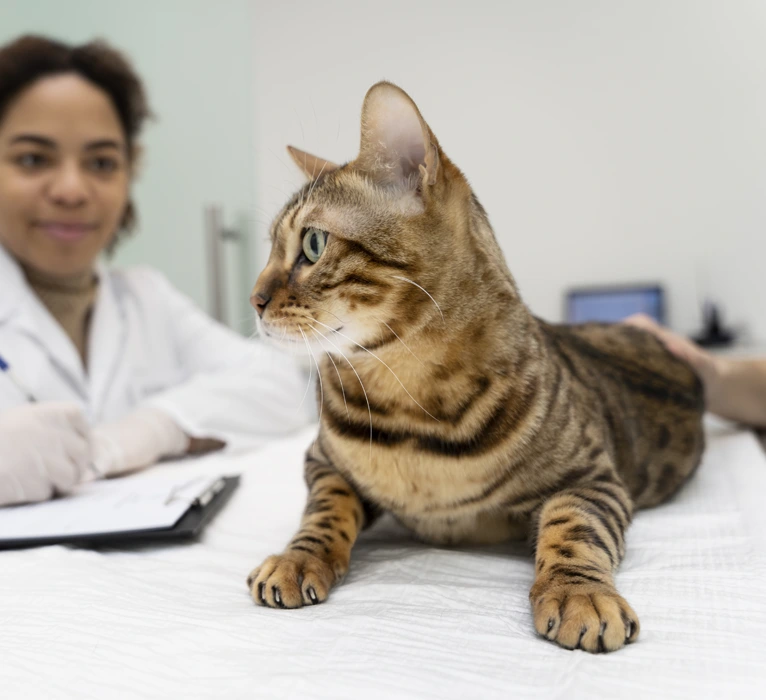
Hospital Stay (Required by Law)
During this time: Our trained team provides all daily care, Cats are monitored closely, & Owners cannot visit due to radiation regulations.
At-Home Aftercare
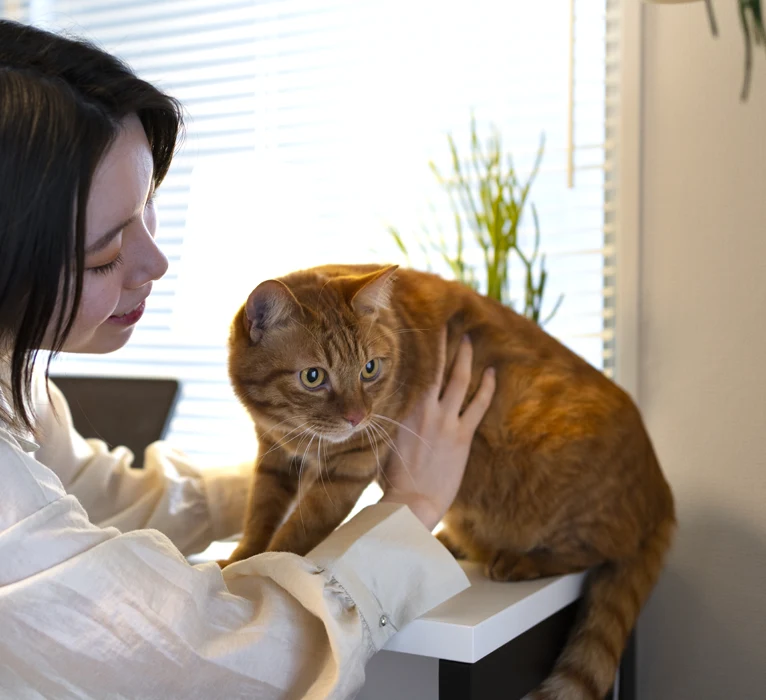
- For 2 weeks after treatment:
- Cats should be kept in a designated room
- Only brief snuggles are allowed
- Pregnant women and children under 16 should not interact with the cat
For 3 months after treatment:
- Litter must be flushed or stored in a sealed container for disposal later
- Gloves should be worn when handling litter
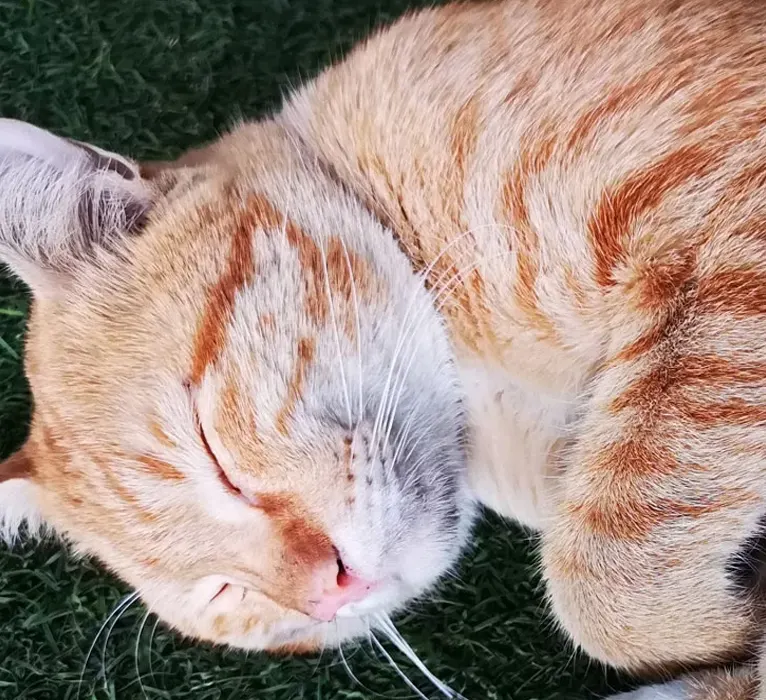
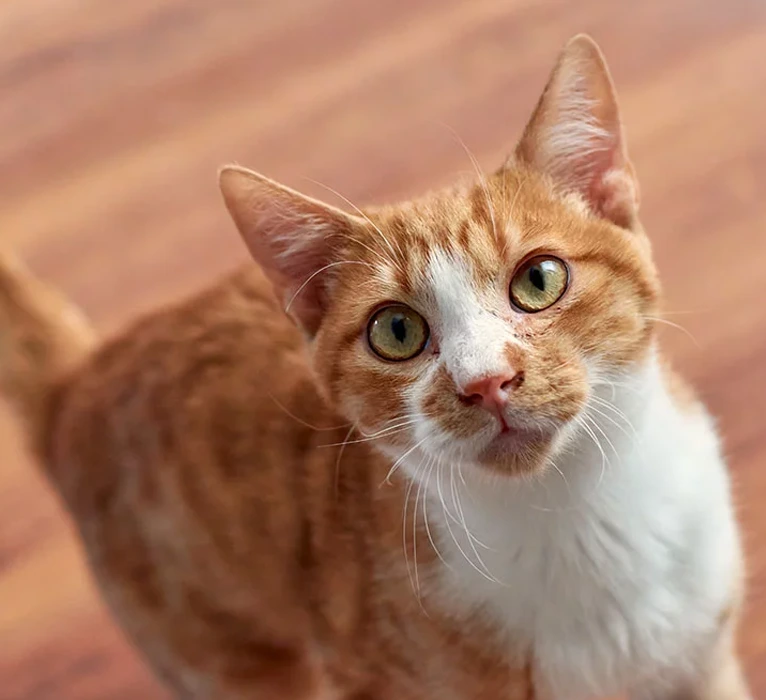
After Treatment: What Happens Next?
Most cats show improvement quickly, with full thyroid regulation returning within 1–3 months.
Once stabilized, symptoms such as weight loss, rapid heart rate, and restlessness typically resolve—allowing your cat to enjoy a healthier, more comfortable life.
Is Your Cat a Candidate for (I-131) Therapy?
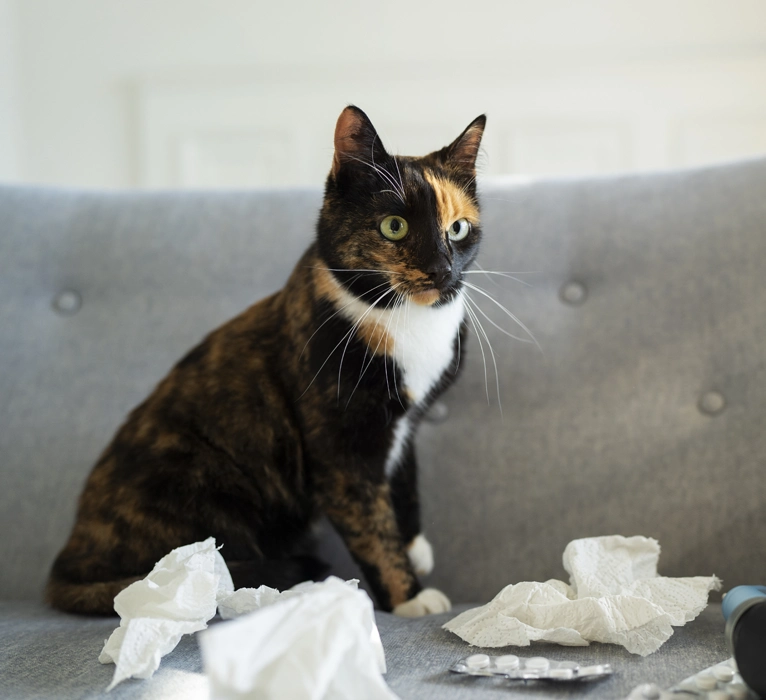
Before diagnosing hyperthyroidism or determining whether a cat is eligible for Radioactive Iodine (I-131) Therapy, comprehensive diagnostic testing is required to evaluate thyroid function and overall health.
Pre-Treatment Requirements
To ensure safety and the best possible outcome, the following diagnostics are required prior to scheduling I-131 treatment:
- Chest X Rays
- Complete blood panel including: CBC, Chemistry Panel, Electrolytes
- Discontinuation of Methimazole for a minimum of 2 weeks, followed by: Total T4 testing & Free T4 testing
These requirements allow us to confirm eligibility and coordinate care appropriately—especially for patients referred from other veterinary hospitals.
To learn more about our diagnostic process please visit our Veterinary Diagnostics page. To learn more about our referral process, please email our team at wvinfo@whitehavenvet.com, and someone will be in touch right away.


