Fireworks Anxiety in Pets: A Summer Survival Guide for White Haven Pet Parents



Summer in White Haven brings sunshine, backyard barbecues, community events, and of course—fireworks. While the season feels festive and fun for us, many cats and dogs experience these celebrations very differently. The sudden booms, bright flashes, and unfamiliar smells can send even the calmest pets into panic mode.
At White Haven Veterinary Hospital, we understand how heartbreaking it can be to watch your furry friend shake, hide, or try to run during fireworks. So we created this guide to help you prepare, respond, and keep your pet feeling safe all season long.
Why Fireworks Trigger Anxiety in Pets
Fireworks may create magical moments for people, but pets experience them as frightening and unpredictable. The loud noises and vibrations activate their natural fight-or-flight response, causing stress and confusion
Common Signs of Fireworks Anxiety:
- Restlessness or pacing
- Trembling or panting
- Hiding or clinging to owners for comfort
- Destructive behavior
- Drooling or vocalizing
- Attempting to escape (even from fenced yards)
These behaviors come from fear—not stubbornness. Your pet is overwhelmed and looking to you for support.
Prepare Early: What to Do Before the Fireworks Begin
Planning ahead makes all the difference. Even pets who have never reacted before may develop noise sensitivity over time.
1. Create a Comfort Zone
Set up a cozy, quiet space where your pet can retreat:
- Soft blankets or their favorite bed
- A covered crate or den-like area
- Calming pheromones (Adaptil®, Feliway®)
- White noise, TV, or soft music to buffer sound
2. Burn Off Extra Energy
A tired pet is more likely to settle:
- Take your dog for an extra walk or play fetch
- Give cats interactive playtime or puzzle toys
- Feed dinner earlier to encourage relaxation afterward
3. Reduce Noise & Visual Triggers
Small adjustments help soften the impact:
- Close windows, doors, and curtains
- Play soothing music or use a fan/white noise machine
- Keep pets indoors—especially after dark
4. Check Identification & Microchips
Fireworks are one of the top causes of lost pets each year.
Make sure:
- ID tags are readable and securely attached
- Microchip information is updated
- Outdoor time is supervised, especially in the evening
During Fireworks: How to Help Your Pet Cope
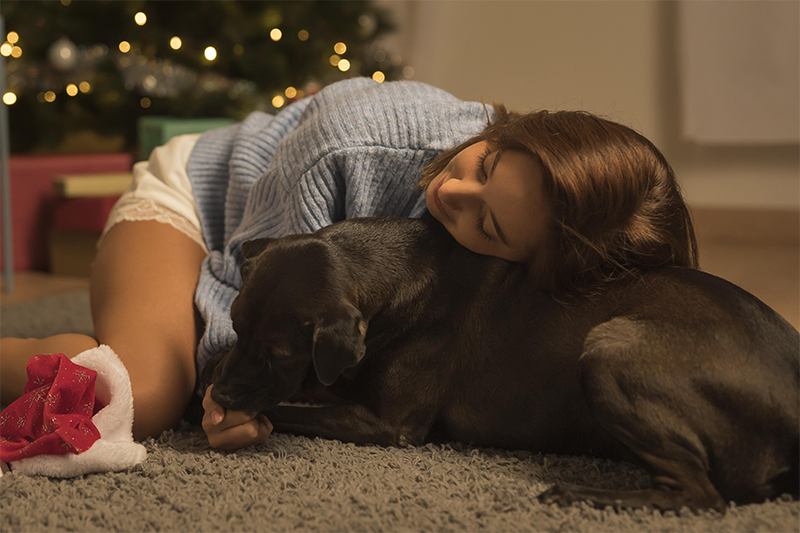
- Stay calm—your pets take cues from you
- Comfort them gently, but let them hide if they choose
- Try calming wraps like ThunderShirts®
- Keep blinds closed to block flashes of light
Avoid:
- Punishing anxious behavior
- Forcing interaction if they want space
- Bringing pets to firework displays—even if they seem fine
When Natural Tools Aren’t Enough
Some pets need additional help—and that’s okay. Medication or supplements can ease overwhelming anxiety and make the evening more manageable for everyone.
Vet-Approved Options May Include:
Vet-Approved Options May Include:
- Trazodone (short-term calming for dogs)
- Gabapentin (useful for both cats and dogs)
- Sileo® (FDA-approved specifically for noise anxiety in dogs)
- Veterinary-recommended calming supplements (Zylkene®, Solliquin®, etc.)
These treatments are not a “last resort.” They’re compassionate care choices that can greatly improve quality of life during fireworks season and beyond.
If you think medication or supplements could help your pet, reach out—we’ll create a safe, tailored plan based on your pet’s health, age, and anxiety level.
Support Your Pet All Summer Long
With preparation, patience, and support from your veterinary team, fireworks don’t have to be a nightmare. We’re here to guide you through anxiety management and help keep your pet happy, safe, and stress-free this summer.
Call White Haven Veterinary Hospital to schedule a wellness visit or discuss anxiety relief options.
Let’s help your pet feel protected, understood, and comforted—this summer and every season after.