


Springtime Tick Prevention: Keeping Your Pets Safe in the Great Outdoors




Spring in Pennsylvania is a breath of fresh air. The trails open up, flowers begin to bloom, and pets everywhere are ready to run, sniff, and explore. With White Haven’s forests, meadows, and wide-open spaces, it’s no surprise that spring is one of the best seasons to get outside with your furry companions.
But warmer weather also brings a seasonal threat—ticks. These tiny pests can cause big problems, making spring the ideal time to refresh your prevention routine and protect your pets before tick season peaks.
Why Ticks Are a Concern for Pets
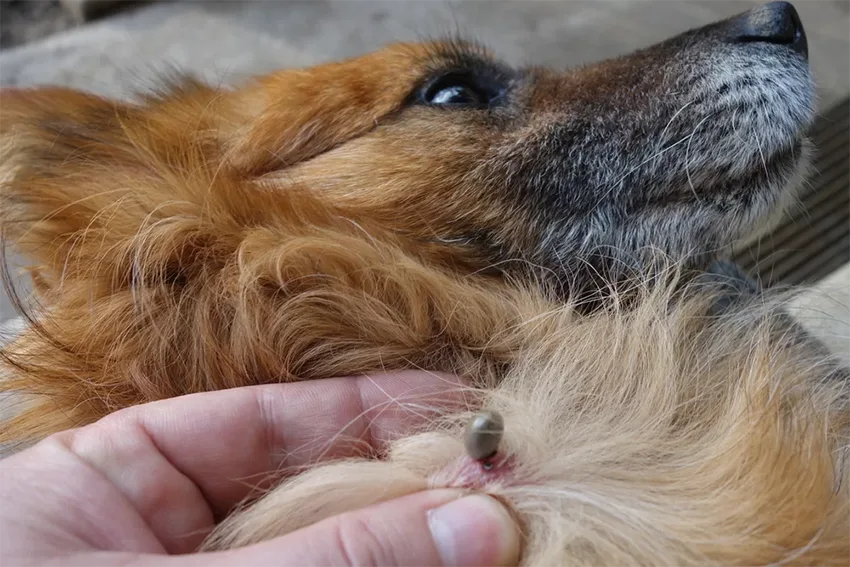
Ticks are small, blood-feeding parasites that latch onto pets and people. Once attached, they can spread serious infections through their bite. Spring and early summer create ideal conditions for ticks to thrive in Pennsylvania, making prevention especially important for pets who spend time outdoors—even in their own backyard.
The most common tick species found in Pennsylvania include:
- Black-legged (deer) tick
- American dog tick
- Lone star tick
All three are capable of transmitting dangerous illnesses such as:
Tick-Borne Diseases to Watch For
- Lyme Disease: Causes fever, joint pain, lameness, lethargy, and may lead to kidney issues if untreated.
- Anaplasmosis: Symptoms include fever, vomiting, joint pain, and neurological signs.
- Ehrlichiosis: Affects white blood cells, causing weakness, weight loss, fever, and bleeding disorders.
- Rocky Mountain Spotted Fever: A severe and potentially life-threatening illness causing fever, muscle pain, neurological problems, and internal bleeding.
Early detection is crucial—but prevention is even better.

How to Protect Your Pets This Spring
Keeping your pets tick-free is easier with consistent prevention measures. Here’s what we recommend:
Use a vet-approved tick preventative
Monthly oral medications, topicals, or tick collars provide reliable protection. Our team can help you choose the best option for your pet’s lifestyle.
Check your pet after every outdoor adventure
Look closely around the ears, neck, belly, tail base, and between toes—ticks often hide in hard-to-see places.
Keep your yard maintained
Trimmed grass, cleared brush, and reduced leaf litter create a less appealing environment for ticks.
Maintain regular grooming
Bathing and brushing make it easier to spot ticks early—especially on long-haired pets.
Schedule routine wellness exams
Veterinary visits help detect tick-borne illnesses early and ensure your pet stays protected year-round.

Enjoy Spring—We’ll Handle the Tick Protection
Spring should be filled with adventure—not anxiety. With the right prevention plan, your pet can explore confidently and safely.
At White Haven Veterinary Hospital, we offer complete tick prevention care, including preventive medications, wellness screenings, and guidance tailored to your pet’s needs.
Call today to schedule a preventive care appointment
and give your pet the protection they deserve this season.
A safer spring starts with prevention—and we’re here to help.


