


Pet Vaccinations




Protecting Your Pet With Safe, Effective Preventative Care
Vaccinations are one of the simplest and most reliable ways to keep your pet healthy. At White Haven Veterinary Hospital, we recommend routine vaccines to protect dogs and cats from serious, highly contagious, and potentially life-threatening diseases. Many of these illnesses can spread quickly between animals—and some can even affect humans—making vaccines an essential part of your pet’s total wellness plan.
Are Vaccines Safe for Dogs and Cats?
Yes. Modern veterinary vaccines are considered extremely safe, and the health benefits far outweigh the small risk of side effects. While mild, temporary reactions can occur, serious complications are very rare.
During your visit, our veterinarians will walk you through what to expect, what’s normal, and the signs of a potential allergic reaction (which are uncommon). We only recommend and administer the vaccines that are truly necessary based on your pet’s age, lifestyle, and risk factors.

Understanding Core vs. Lifestyle (Non-Core) Vaccines
Not all pets need the same vaccines, but every pet needs protection. Vaccines fall into two main categories:
Core Vaccines
These are required by law or strongly recommended for all dogs and cats. Core vaccines help protect against serious and often fatal diseases such as:
- Rabies
- Distemper
- Parvovirus
- Lyme Disease (region-dependent)
- Lifestyle / Non-Core Vaccines
These vaccines are recommended based on your pet’s daily activities, travel, and exposure to wildlife or other animals. They can protect against illnesses such as:
- Leptospirosis
- Bordetella (Kennel Cough)
- Canine Influenza
- Feline Leukemia (FeLV)
Even though these are called “non-core,” many are highly beneficial for pets who spend time outdoors, visit groomers, board, or play at dog parks.


Which Vaccines Does Your Pet Need?
There’s no one-size-fits-all vaccine plan, and that’s why we personalize every recommendation. During your pet’s visit, our team will discuss your pet’s:
- Age
- Breed
- Lifestyle and travel habits
- Exposure to wildlife or other pets
- Boarding, daycare, or grooming schedules
Using this information, we create a tailored vaccination schedule to give your pet the best possible protection year-round.
When Should Pets Be Vaccinated?
Vaccination needs change as pets grow:
Puppies & Kittens
Begin vaccines at 6–8 weeks of age and receive boosters every few weeks until they’re fully immunized.


Adult Dogs & Cats
Most adult pets require annual or every-three-year boosters, depending on the vaccine and their lifestyle.
Staying consistent with vaccines helps prevent the return of dangerous diseases and ensures your pet remains protected throughout their life.
A Healthy Pet Starts With Preventative Care
Vaccines work best when paired with regular veterinary checkups. At White Haven Veterinary Hospital, we combine vaccinations with routine wellness exams to monitor your pet’s health, catch concerns early, and keep you informed about the best ways to protect your furry family member.
Preventative care is not only safer—it’s also far more affordable than treating a serious illness after it develops.
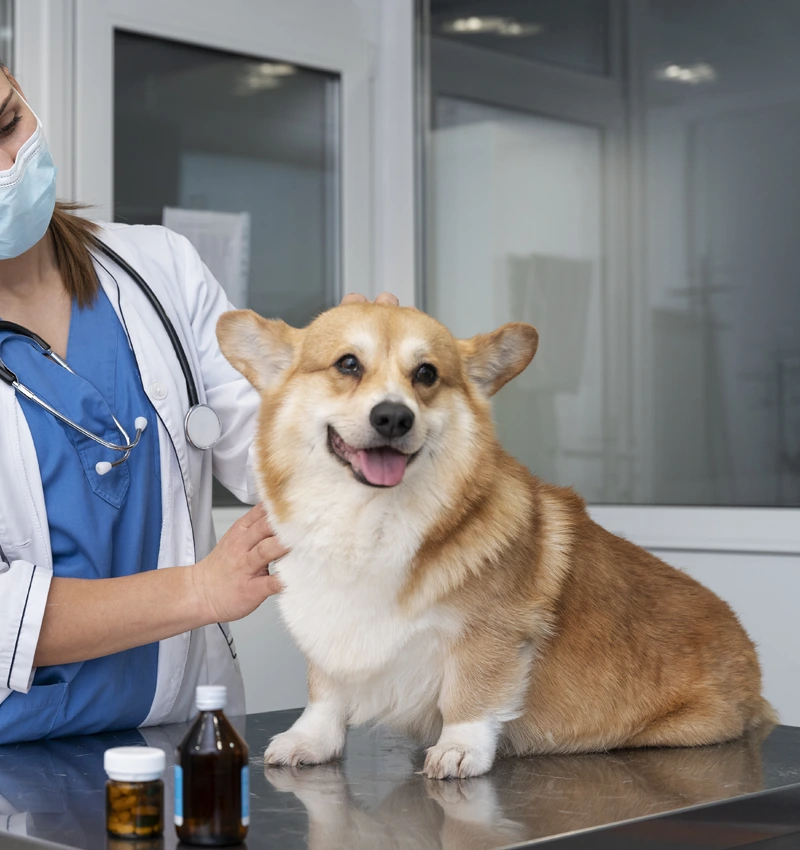
Schedule Your Pet’s Vaccination Appointment
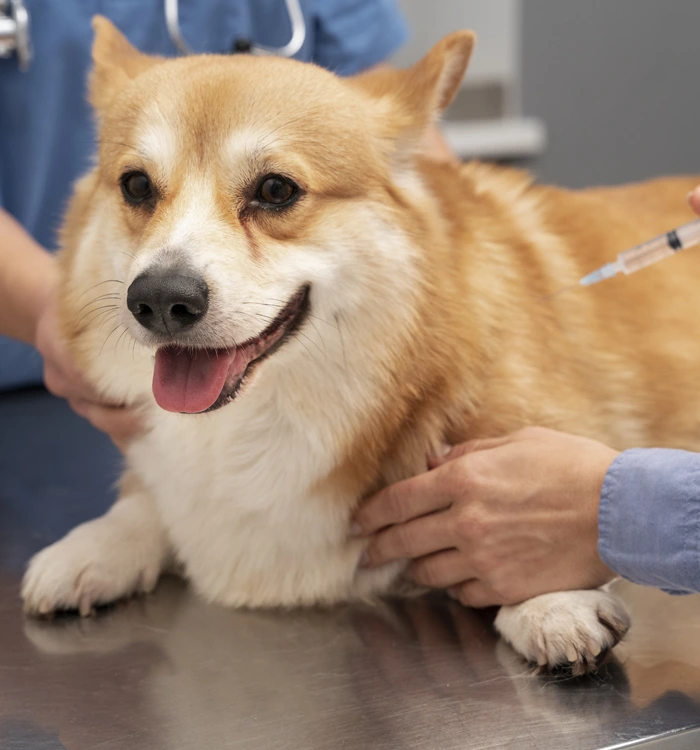
Whether your pet is due for boosters, starting their puppy or kitten series, or you’re unsure which vaccines they need, we’re here to help. To request an appointment, click here.
For a deeper look at how vaccinations fit into your pet’s overall health plan, visit our Pet Wellness Exams page.


